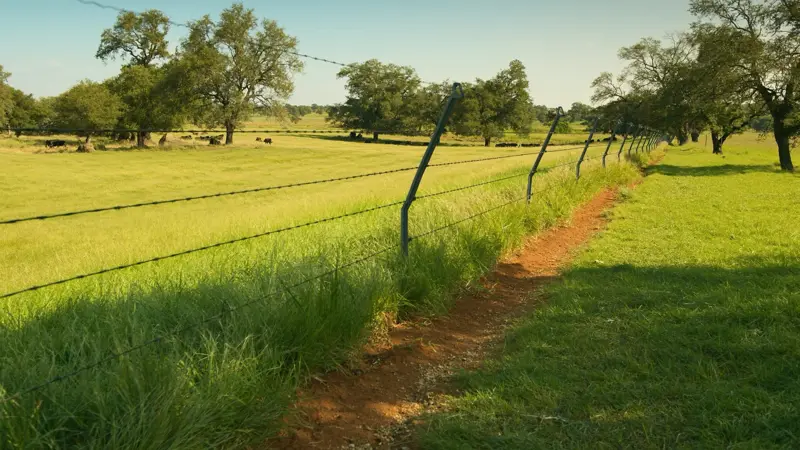
Barbed wire, pipe fence, horse fence and cattle guards built to hold across Southern Oklahoma pastures. Free on-site estimates for ranches, farms and acreage.
Call for a Free EstimateRequest a Quote OnlineWhether you're fencing a new 40-acre pasture, replacing miles of sagging barbed wire, or building a horse-safe paddock, the crew you choose decides whether your fence lasts 30 years or sags after the first wet spring. We connect Carter County landowners with experienced local ranch fencing crews who know red clay, rocky ground, cedar thickets and the way cattle test a fence line.

The most cost-effective way to fence large cattle pastures. 4 or 5 strand wire on T-posts with pipe or wood corner braces, stretched tight for long runs.
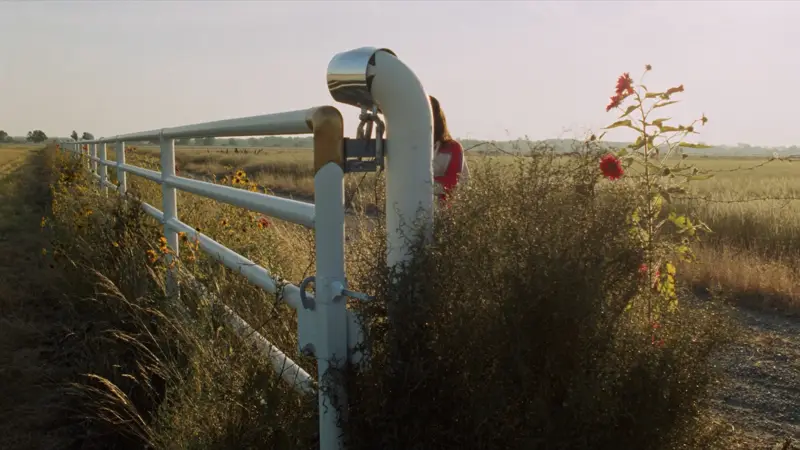
Welded steel pipe fence for front pastures, entrances, pens and working areas. Built to last decades with little maintenance.
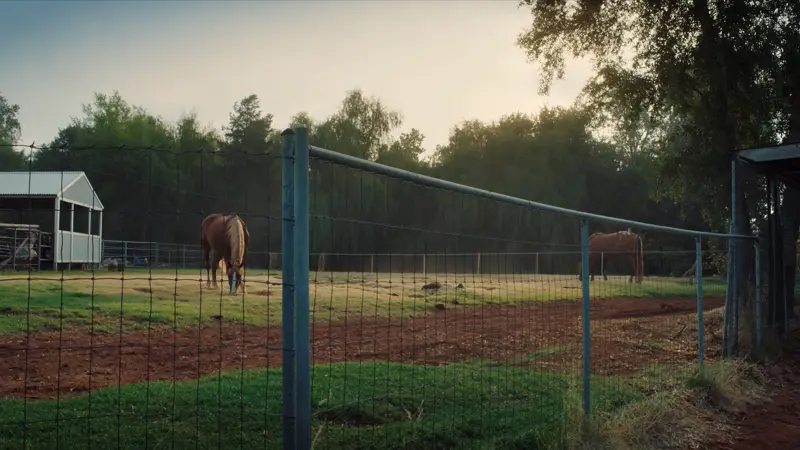
No-climb woven wire, pipe rail and high-visibility fence designed to keep horses safe and cut down on injuries.

Cattle guards, pipe gates, entry gates and automatic openers so you can drive through without stopping.
Field fence and woven wire for goats, sheep, hogs and tight containment, with predator protection.
Trees on the fence, washed-out water gaps, or cattle getting through? Fast repairs to get livestock contained again.
| Fence type | Best for | Upfront cost | Lifespan |
|---|---|---|---|
| Barbed wire | Cattle, large pastures | Lowest | 15–25 years |
| Woven wire / field fence | Goats, sheep, hogs, dogs | Medium | 20–25 years |
| High-tensile wire | Long runs, rotational grazing | Low–medium | 25+ years |
| No-climb horse fence | Horses, foals | Medium–high | 20+ years |
| Welded pipe fence | Entrances, pens, front pasture | Highest | 30+ years |
Lifespans are typical ranges and depend on materials, installation and maintenance.
Ardmore and the surrounding Carter, Love, Murray and Marshall County communities, including:
Ardmore · Lone Grove · Healdton · Wilson · Dickson · Springer · Marietta · Sulphur · Davis · Madill · Gene Autry · Ratliff City
It depends on fence type, total footage, terrain and clearing. Barbed wire is usually the lowest cost per foot, woven wire is mid-range, and welded pipe costs the most up front but lasts the longest. A free on-site estimate gives you an exact number.
For big pastures, 4 or 5 strand barbed wire on T-posts with welded pipe H-braces is the most common and cost-effective choice. Pipe fence is popular for front pastures, pens and working areas.
Barbed wire isn't recommended for horses. No-climb woven wire with a top rail, or pipe rail fence, are safer choices.
Small pens can take a day or two. Large perimeter jobs can take one to several weeks depending on footage, ground and clearing.
Most fence lines need cedar, brush and trees cleared so posts can be set straight and the fence can be maintained. Ask about clearing during your estimate.
Yes. Downed trees, washed-out water gaps and broken braces can be repaired so livestock are contained again quickly.
Tell us about your property and a local ranch fencing crew will contact you. Prefer to talk? Call (209) 353-0727.